An environment of exceptional preservation

 (112 kb) This feature was a supporting argument for granting Miguasha the title of UNESCO World Heritage Site, and is in large part due to the extraordinary environment of preservation that prevailed in this Devonian estuary.
The environment was characterized by two crucial factors: fairly oxygen-poor water and a large amount of sediment deposited on the estuary floor.
 (80 kb)Once settled on the bottom, any organism – a fish or plant, for example – would quickly be covered by a thin layer of sediment. This rapid burial had two favourable consequences for fossilization. First, it swiftly isolated the organism from its environment, making it inaccessible to scavengers and the action of water currents. Next, the already oxygen-poor conditions were made even more so because of the reduced gas exchange between the sediments and the water above. And so began the process of fossilization in this environment of exceptional preservation.
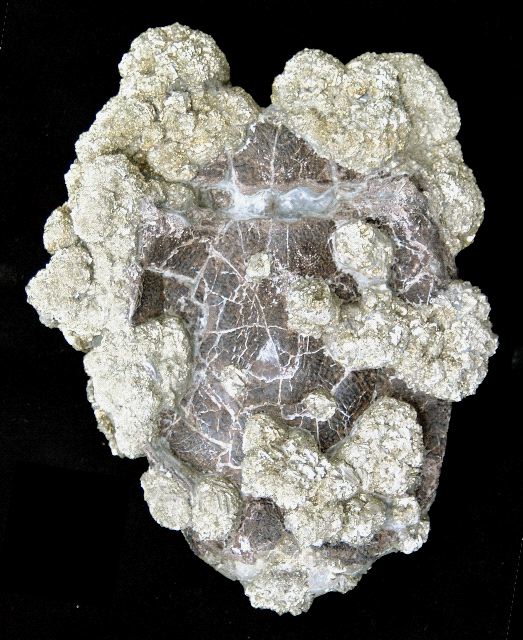
 (84 kb)Direct evidence for the low oxygen content of the sediments also comes from the abundance of pyrite in the sedimentary layers. This mineral, commonly known as “fool’s gold”, consists of sulphur and iron, and only forms in oxygen-poor environments. At Miguasha, pyrite is often found on the bodies of fossilized organisms.
Site map | Feedback | Links | Sources | Credits
An environment of exceptional preservation
<< An ancient estuary | Of cliffs and men >>



Title: Juvenile fish in the Escuminac Formation
Author: Parc national de Miguasha
Sources: Parc national de Miguasha
Year: 2006
Description:
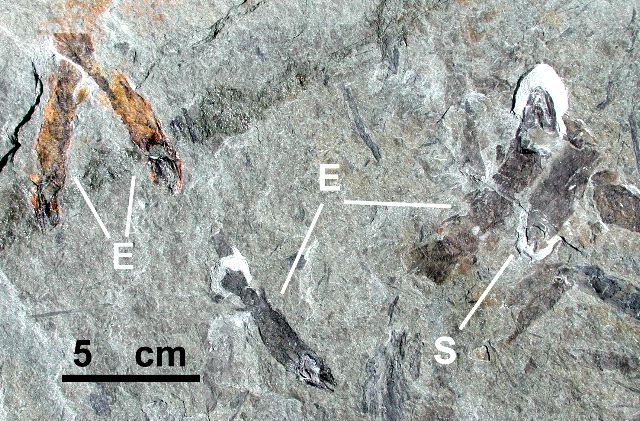
The young fish of several Miguasha species were discovered in large numbers within a layer of the Escuminac Formation in 2006. A school of alevins was trapped by the sudden arrival of sediment in a turbulent current. E: Eusthenopteron foordi; S: Scaumenacia curta.

Title: Blood vessels
Author: Parc national de Miguasha
Sources: Parc national de Miguasha
Year: 2003
Description:
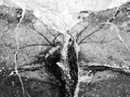
These blood vessels left their mark on the ventral internal surface of the thorax in a specimen of Bothriolepis canadensis, a placoderm fish. The blood vessels converge toward a dark central zone that represents the heart region.